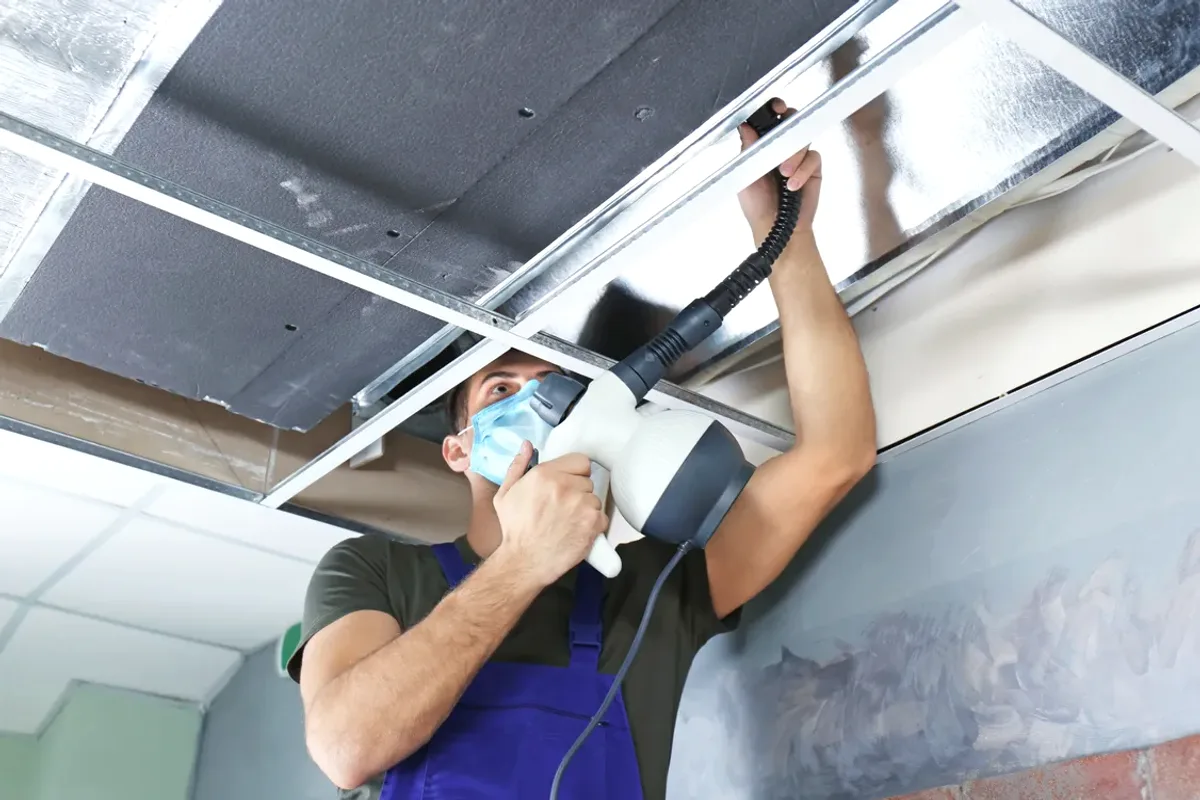
What evidence helps determine whether duct cleaning is appropriate?
Duct cleaning is most useful to consider when there is a specific reason to inspect the ductwork, such as visible debris, a documented blockage, or contamination following work that affected the air passages. An inspection can establish what is present and whether it is in the ducts, at a grille, or in HVAC equipment that requires a different service. Cleaning should be based on findings and access, rather than assumed from a calendar or used as a substitute for diagnosing weak airflow.
An assessment can inspect accessible supply and return runs, grilles, and relevant duct sections for visible debris or blockage. A camera view may help document conditions where the duct layout allows it, while airflow complaints may also require separate checks of filters, registers, duct damage, or system operation. These observations clarify whether cleaning is warranted and whether repairs to damaged sections require separate work.
Inspection of supply and return ducts for visible debris or blockage.
Airflow complaints and distinction between duct restrictions and equipment or filter issues.
Access, duct damage, cleaning scope, and separately assessed repairs.
Assessment and Scope
Questions for the Proposed Work
01
Inspect before deciding to clean
Visible dust at a grille does not establish the condition of the full duct system. Inspection should identify where debris is located, whether it is loose or obstructing a passage, and how the affected sections can be accessed. Where an inspection camera can reach the run, images may help document findings. This evidence supports a specific cleaning scope instead of assuming that every duct requires the same work.
02
Distinguish duct restrictions from other airflow causes
Uneven temperatures or weak airflow can result from a blocked duct, but they can also relate to a filter, closed or obstructed register, damaged duct, or equipment operation. Checking the relevant air path helps determine whether cleaning addresses the actual restriction. If a duct section is disconnected, crushed, or damaged, repair is a separate decision; removing debris alone would not correct the physical defect.
03
Set the work around access and inspection findings
The duct layout, number of affected runs, access openings, and location of debris determine how cleaning can be carried out. Supply and return ducts may require different access points, and nearby HVAC components should only be included when their condition and the service scope call for it. Manufacturer instructions and inspection findings guide any related equipment maintenance; routine cleaning or chemical treatment should not be assumed.
Compare the next step
Ask for a visual explanation of any contamination, including its location and likely source. If cleaning is recommended, request a component list and completion evidence. If the system is reasonably clean, use the visit to establish filter care and any moisture or equipment concerns rather than buy a routine package.
Routine cleaning is not automatically necessary and does not guarantee health or energy benefits. Resolve moisture sources and assess damaged materials rather than treating cleaning as the only remedy.