What should be checked when a furnace will not start or keeps cycling?
A furnace that will not start, stops and starts repeatedly, rattles, or heats rooms unevenly can have several different causes. Diagnosis should distinguish ignition or fuel-delivery problems from a limit-control fault, restricted airflow, or a worn blower component, since each points to different repair work. Inspection findings also help determine whether a specific part can be repaired or replaced, or whether the furnace's condition warrants comparing repair with full equipment replacement.
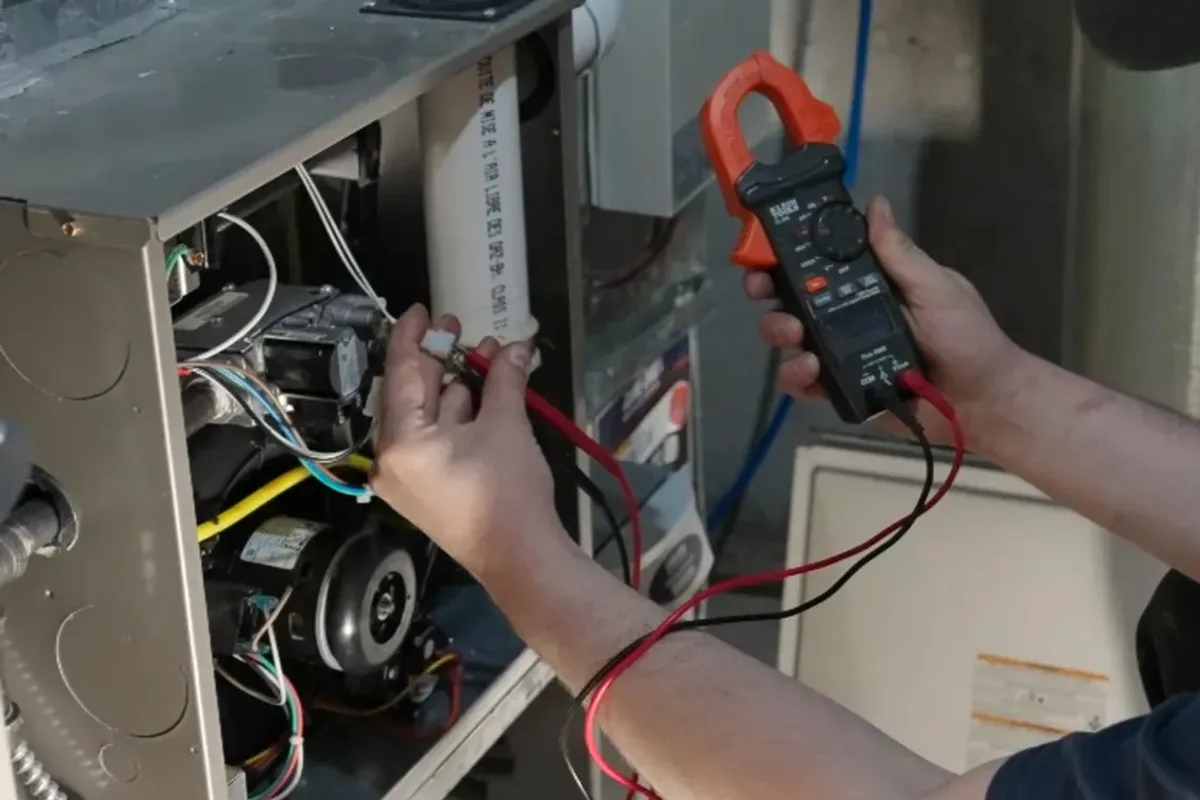
A diagnosis can include the start sequence, ignition components, operating pressures, control signals, safety limits, and blower operation. Instrument readings help show whether a fault is present under operating conditions rather than inferred from a symptom alone. The furnace model, fuel type, service history, and any displayed fault codes also help define the appropriate repair.
Ignition and fuel-delivery diagnosis, including operating pressure.
Limit controls, repeated cycling, and furnace safety controls.
Blower condition, airflow, maintenance findings, and repair-versus-replacement decisions.
Assessment and Scope
Questions for the Proposed Work
01
Separate ignition faults from airflow and control faults
A furnace that does not light may have an ignition or fuel-delivery fault, while repeated cycling can involve a limit control or restricted airflow. Rattling or scraping may instead point toward a loose panel or a worn blower bearing. These symptoms overlap, so the diagnostic sequence and measurements matter: replacing a part based on sound or timing alone may leave the underlying cause unresolved.
02
Use inspection findings to choose repair or replacement
Inspection can compare the condition of the failed component with the furnace's overall operating condition, age, and repair history. A discrete, serviceable fault may support a targeted repair; widespread deterioration or significant damage may make replacement worth evaluating. For a high-efficiency model, the venting arrangement and control compatibility are part of that assessment, not just the cost or condition of the failed part.
03
Base maintenance on the furnace and its instructions
Maintenance findings can identify issues such as a deteriorated igniter, changing operating pressure, restricted filter or airflow, or a worn blower bearing. Which checks apply depends on the furnace model, fuel, and manufacturer instructions. Records of past faults and service can help distinguish a developing component issue from a new problem. Fuel, combustion, internal electrical, and safety-control work requires qualified service.
Compare the next step
Ask which findings need action now, which belong on a maintenance record, and which remain uncertain without further inspection. Have the contractor identify any equipment warranty or service information worth recovering. Keep the appliance identification and assessment together so a later quotation can refer to the same furnace.
Leave burner, fuel, venting, electrical, and internal equipment work to a qualified contractor. Do not bypass a safety switch or repeatedly reset a furnace.