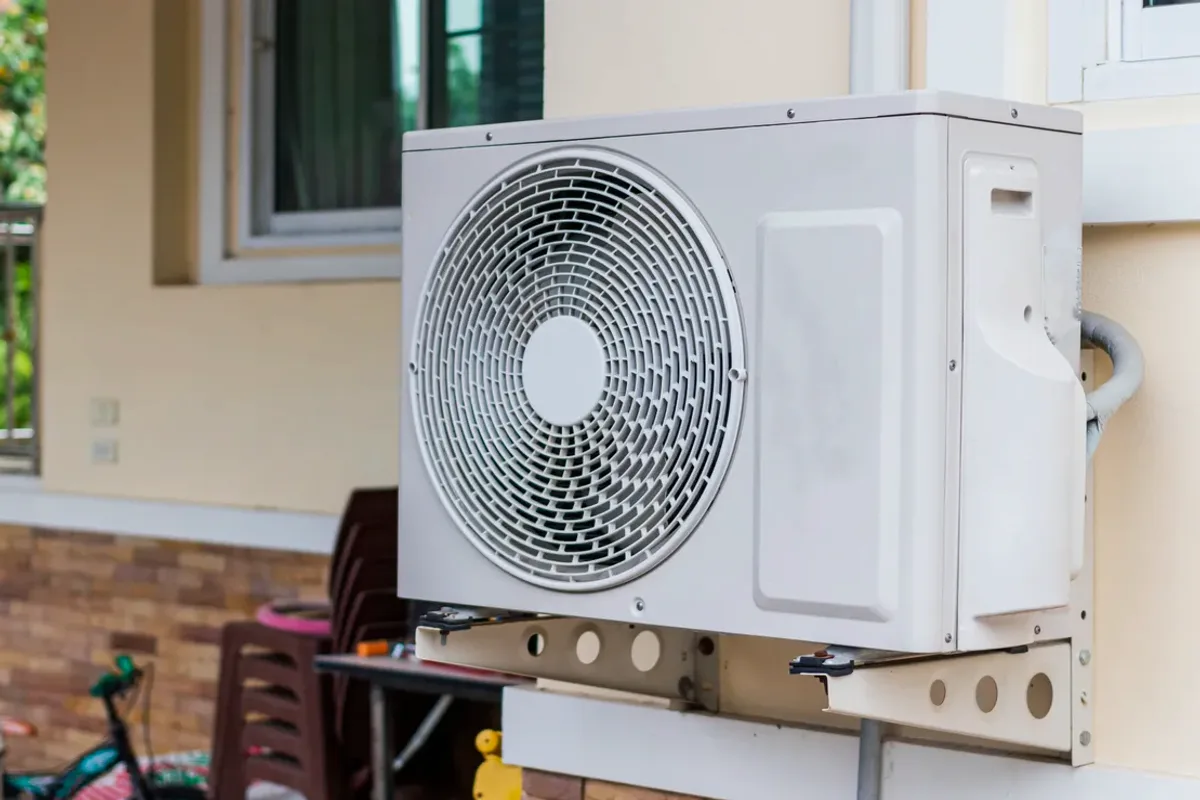
Request heat pump repair & installation for a property in Ajax. Include the equipment, the problem or planned work, and your location so the request can be reviewed.
How do repair findings differ from the checks needed to size a replacement heat pump?
A heat pump may fail to heat or cool properly because of a control, sensor, electrical, airflow, defrost, or refrigerant-circuit issue. A new installation raises different questions about the property's heat load, existing ductwork or ductless layout, and the equipment's operating range. Separating repair from installation work matters: evidence of a specific repairable fault is not by itself a reason to replace the system, while a replacement assessment must account for the whole heating and cooling setup.
For repair, assessment can review operating mode, fault codes, sensors, defrost sequence, airflow, electrical readings, and refrigerant-circuit measurements. For installation, the property heat load, duct condition or ductless layout, electrical requirements, and selected equipment range are relevant. These records help identify a correctable fault, an equipment mismatch, or a broader replacement scope without treating every symptom as the same problem.
Repair diagnosis for icing, sensors, defrost controls, cycling, and electrical faults.
Heat-load assessment and ducted or ductless equipment selection.
Repair-versus-replacement decisions and system compatibility.
Assessment and Scope
Questions for the Proposed Work
01
Investigate defrost, sensors, and cycling faults
Icing, weak heating, short cycling, or a breaker trip can have different causes. A sensor or defrost-control fault is not the same repair as an airflow restriction or electrical problem, and the refrigerant circuit may require separate measurements. Operating history, fault codes, and readings during the relevant mode help locate the cause. Fuel, internal electrical, refrigerant, and safety-related work should not be attempted by occupants.
02
Size a replacement for the property and system layout
Replacement selection should use the property's heating and cooling load rather than a universal capacity rule. For ducted equipment, the condition and ability of the ducts to distribute air are relevant; for ductless equipment, the indoor-unit layout and rooms served matter. The proposed heat pump's operating range and compatibility with existing controls and electrical supply also affect the installation scope.
03
Keep repair and replacement as separate decisions
A repair comparison should consider the fault, the condition of other components, and the system's service history. A replacement comparison becomes relevant when equipment condition or the scope of required work changes the decision, not simply because a heat pump has one fault. Written diagnostic findings and installation requirements make the two paths clearer and can show whether a control, sensor, or defrost issue is distinct from overall system suitability.
Compare the next step
Have the contractor explain the existing changeover sequence in ordinary terms: which equipment supplies heat, when supplementary heat is allowed, and what the occupant should see on the control. Ask for the operating instructions and model-specific maintenance plan before changing settings inherited from the previous owner.
Cold-climate capability does not prove that one model covers every home heating load. Ask how the selected equipment and supplementary heat meet the actual design requirements.